
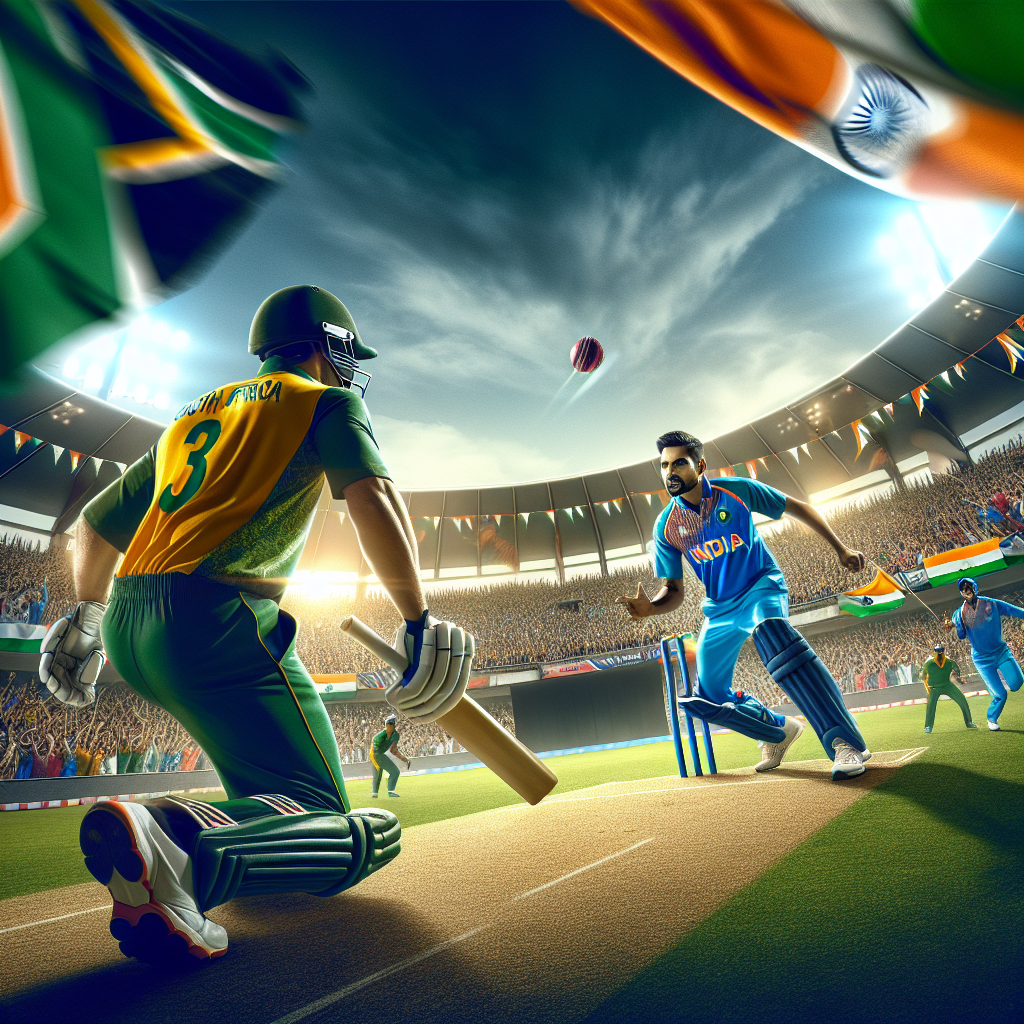
South Africa and India host one of the most impressive rivalries in cricket history. In this article, we will take an in-depth look at the rich history of these two teams, analyze recent match performances, discuss the impact of key players, and explore fan culture. Additionally, we will share important insights about upcoming matches and new trends in the world of cricket.
History of Cricket in South Africa and India
The cricket history of South Africa and India is an important part of the sports culture of both countries.South Africa has a history that dates back to the mid-19th century when the origins of cricket can be traced back to England. South Africa, which played its first official Test match in 1889, has gradually established a solid place for itself on the world cricket stage. Despite being away from the international cricket scene due to apartheid in the 1970s, it made a comeback in 1992 and has become an important player in international cricket.
On the other hand,India began participating in test matches in 1932 with the popularization of cricket. Over time, the Indian cricket team gained worldwide fame with World Cup victories in 1983 and 2007. India's strong player roster and impressive performances are the greatest indicators of how cricket has become a passion in this country.
The rivalry between these two teams has brought many dynamics not only on the field but also at cultural and social levels. South Africa's fast bowling talents and India's technical skills always make the matches exciting. Additionally, the history of this rivalry has brought many unforgettable moments and legendary encounters.
In recent years, both teams have evolved alongside the development of cricket and adopted new strategies. In this context, key players play a critical role in determining the teams' performance. To better understand team dynamics and historical successes, it is important to delve into the depths of this competition.
Last Match Analysis: Strategies and Performance
Although South Africa and India have a long-standing rivalry in the world of cricket, their most recent encounter showcased the changes in both teams' playing styles and strategic transformations. This important match, held in 2025, provided a unique opportunity to analyze the performance and tactics of both teams.
At the beginning of the match,South Africaadopted a fast-paced style of play. In the first half, they aimed to put pressure on their opponents by increasing their possession rates. This strategy created a platform for their young players to showcase their skills. On the other hand,Indiaadopted a more cautious approach, trying to keep the ball under control. With their defensive strategies, they managed to thwart their opponents' attacks.
- South Africa:Aiden Markram stood out with 85 runs.
- India:Virat Kohli became the most effective player of the team with 75 runs.
In the second half, both teams' strategies underwent changes. South Africa adopted a more aggressive playing style, beginning to challenge India's defense. However, India's experienced players strengthened their defensive line to break this pressure and made effective interventions at critical moments.
As a result, this match showcased the tactical development of both teams, going beyond just a score contest. While South Africa's young and dynamic squad demonstrated greater potential for future matches, India's experience could always give them an advantage in challenging encounters.
The future of this competition will be shaped by the adaptability of both teams. In the upcoming matches, it will be an exciting wait for cricket enthusiasts to see what results these strategic changes will bring.
Key Players and Their Effects
The rivalry between the cricket teams of South Africa and India is shaped not only on the field but also by the standout players of these teams. These players play a significant role in their teams' success with their performances and leadership qualities. Here are some key players in the history of these two teams and their impacts:
- AB de Villiers:One of South Africa's greatest cricket stars, de Villiers has achieved extraordinary success in both ODI and Test formats. Known for his quick runs and creative shots, de Villiers has been the defining player in many matches for his team.
- Hashim Amla:Amla, one of the most reliable players at the top of South Africa's lineup, is known for his consistent performance. His high batting average and longevity have provided a dependable presence even in the toughest moments for his team.
- Virat Kohli:One of the most influential figures in modern cricket history of India, Kohli is known for his aggressive playing style and extraordinary leadership skills. As the team captain, he has led India to numerous successes on the international stage.
- M.S. Dhoni:India's legendary captain Dhoni is known as an extremely strategic and cool-headed leader. His successes in the 2007 World Cup and victory in the 2011 World Cup are among the greatest examples of his leadership.
In addition to these players, many young talents also play an important role in shaping the future of both teams. For example, young players like Prithvi Shaw hold great promise for India's future successes. In South Africa, new generation players like Tristan Stubbs are refreshing the team's dynamics and increasing its competitiveness.
The performances of these key players help shape not only individual successes but also the overall strategies of their teams. The deep talent pool possessed by both teams contributes to the evolution of cricket and the transformation of competition.
Fan Culture and Support
The rivalry between the South Africa Cricket Team and India is shaped not only by the struggles on the field but also by the fan culture of both countries. The passion for cricket in both nations develops in a dynamic interaction that is evident not just on match days but throughout the year.
India is known as a country where cricket has become a way of life.Fans support their teams not only in the stadium but also at home, in their offices, and on the streets. Especially before major matches, the interactions on social media among fan groups reveal the depth of this rivalry. The fan culture in India is evident through the crowds that fill the streets and the enthusiastic celebrations on match days.
- India: Cricket is a part of daily life; major matches take on a festive atmosphere.
- South Africa: Just as fans fill the stadiums on match days, they actively support on social media as well.
In South Africa, fans generally have a more diverse structure. Supporters from different ethnic groups bring their cultural elements to match days, creating a unique atmosphere. Especially the stadium atmosphere and the celebrations that take place after the match reflect this diversity. Fans not only support their teams but also contribute to making the matches a social event.
This interaction between the supporters of both countries shows that the competition exists not only on the field but also on an emotional and social level.Supporter support is a critical source of motivation for both teams, and this support can directly affect the teams' performance. In pre- and post-match events, the enthusiasm shown by the supporters strengthens team spirit.
As a result, the cricket rivalry between India and South Africa has transformed into a phenomenon that goes beyond just sports, showcasing the cultural richness of both nations. Fans carry the pride of both their teams and their own cultures as one of the most important cornerstones of this rivalry.
Upcoming Matches and Expectations
The rivalry between the South African cricket team and India not only has a historical background but also comes with great expectations for the future. The strong presence of both teams on the international stage increases the significance of upcoming matches. In particular, the encounters between these two teams have become not just a sporting event but also a cultural phenomenon.
The matches planned for 2026 could be a strategic turning point for both teams. India aims to integrate its young and talented players into the team, while South Africa seeks to restructure its experienced players to become more competitive. During this process, both teams are expected to focus on the following topics:
- Development of New Talents:Both teams are making great efforts to discover young talents and develop these players on an international level.
- Strategic Game Plans:Teams will focus on analyzing their opponents by developing tactics specific to each match. This can play a critical role in determining the outcome of the games.
- Fan Support:The impact of fans in matches is always important. Both teams are planning to organize various events to provide strong support to their fans.
- International Tournaments: The year 2026 will be an important year for both teams in international tournaments. These tournaments will provide great opportunities for the teams to showcase their skills and prove themselves on the international stage.
Especially,India has been drawing attention with its rise in cricket in recent years. In upcoming matches, there is great anticipation regarding how the team will perform and how the competition withSouth Africa will unfold. The matches will serve not only as a symbol of sport but also of international friendship.
As a result, the rivalry between the South Africa and India cricket teams will intensify in upcoming matches. Both teams have big goals, and they need to work hard to achieve these goals. Fans will stand by their teams without holding back their support during this process.
Change in the World of Cricket: New Trends
Cricket is a sport that has traditionally had a strong rivalry between India and South Africa. However, in recent years, this competition is transforming not only on the field but also in areas such as technological advancements, player development, and fan engagement. In this article, we will examine the background of these changes in the world of cricket and make predictions about what we can expect in the future.
South Africa and India are among the countries that implement these technologies most effectively. For example, India's IPL (Indian Premier League) format creates an important opportunity for the discovery and development of young talents by providing a platform where both local and international players can showcase their skills.
Player Development and Training Programs
Today, cricket academies focus not only on providing young players with technical skills but also on developingmental resilienceandstrategic thinkingskills. Especially in India, the infrastructure necessary for young people to succeed on the international stage is strengthening day by day. This lays the foundation for future international successes.
Fan Interaction and Cultural Effects
The role of fans is another important factor that changes the dynamics of cricket. Social media and digital platforms are making match experiences more engaging by increasing fans' interaction with their teams. The fan culture in India is closely related to the successes of their teams, and this can create extra pressure on the players.
As a result, the cricket rivalry between India and South Africa is shaped not only by the battles on the field but also by these new trends. In the future, how these changes will evolve and the impact of international cricket on these two countries is eagerly anticipated.